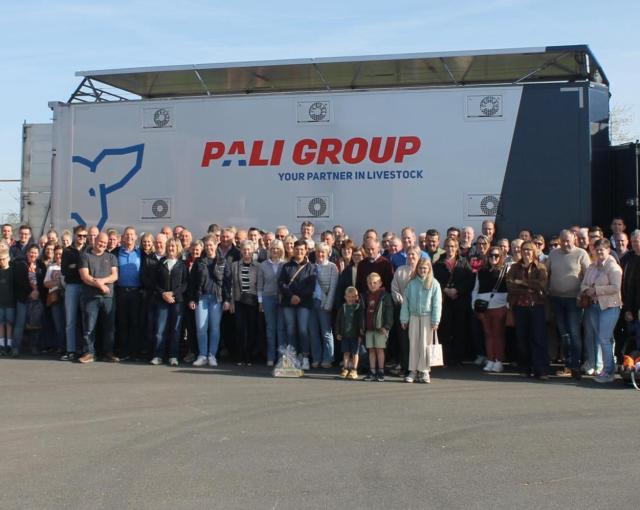
“We werken als ketenregisseur volgens een strak proces, waarbij aandacht voor onze leveranciers, onze klanten én de dieren altijd centraal staat.”
Martijn Paridaans, directeur PALI Group
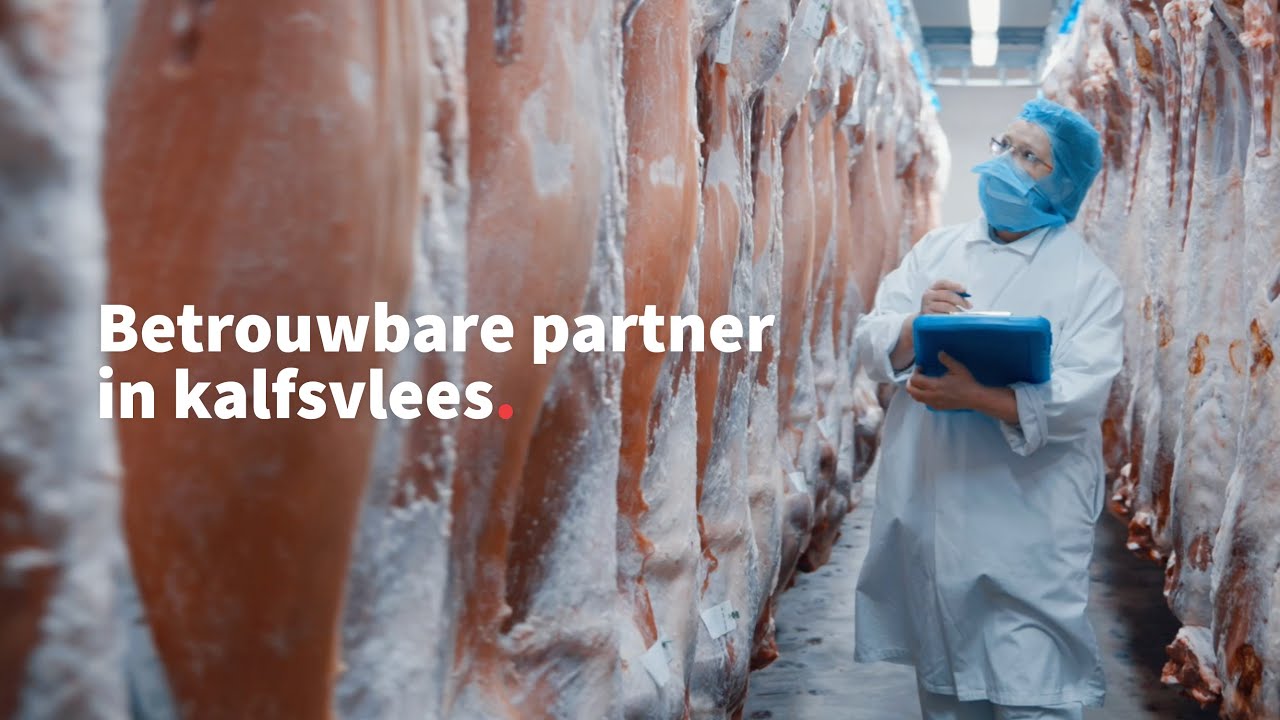
Betrouwbare partner In kalfsvlees
We laten mensen graag genieten van eersteklas kalfsvlees. Daar zorgen we voor met persoonlijke aandacht en grip op het hele traject. Van de inkoop van kalveren tot de verkoop van het vlees. En alles wat daartussen zit.
Kalfsvlees van het héle dier
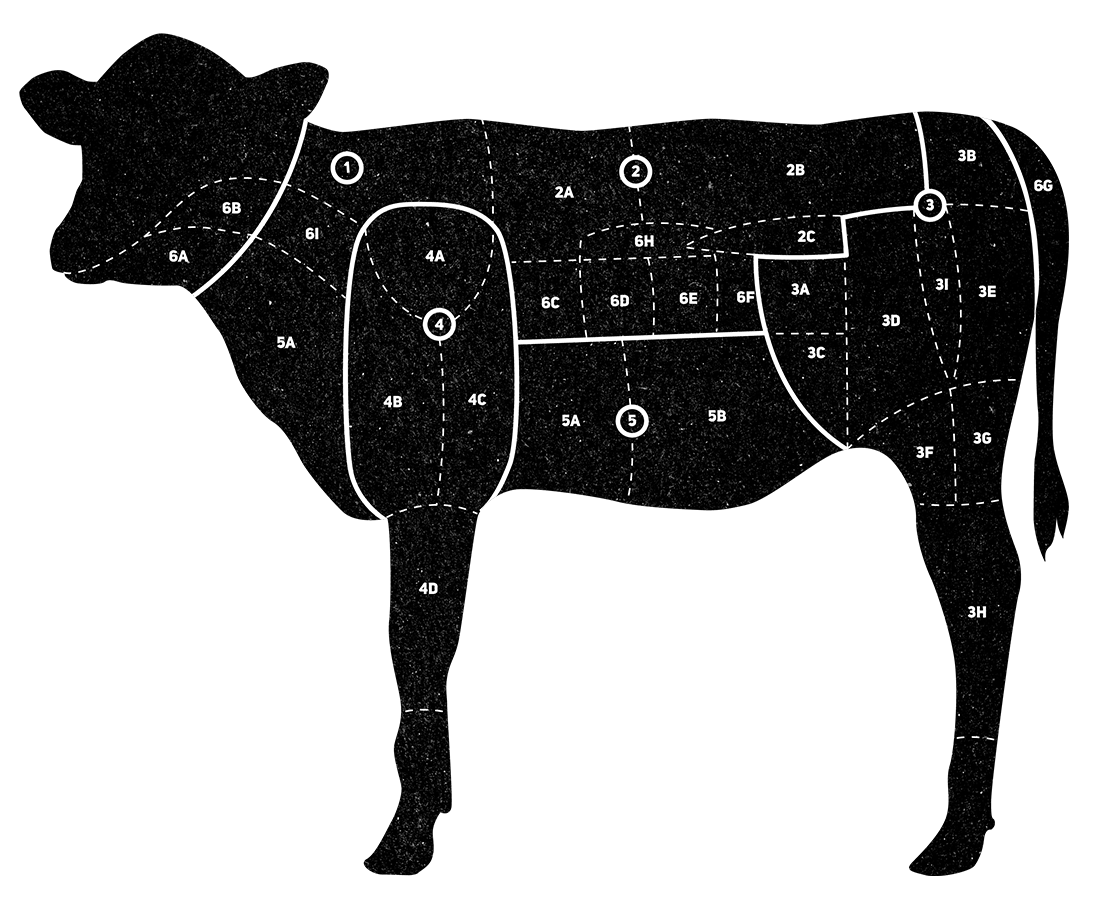
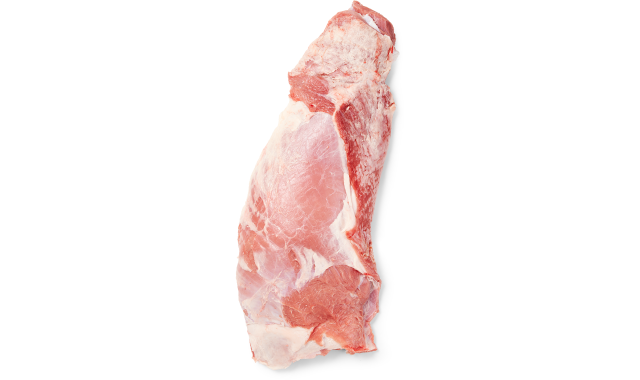
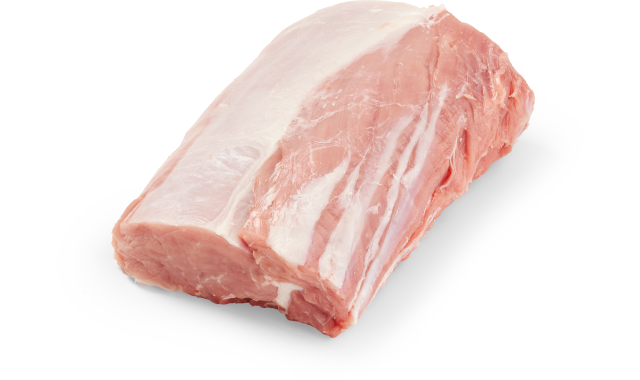
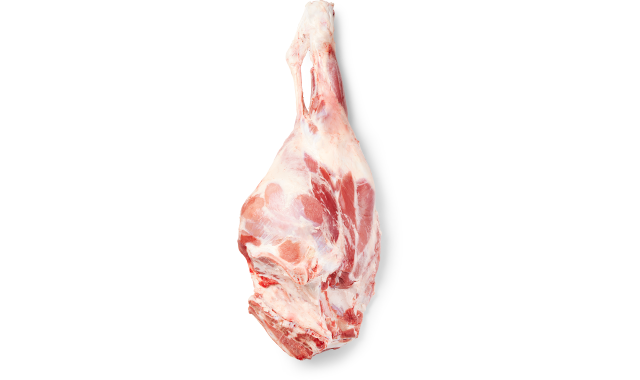
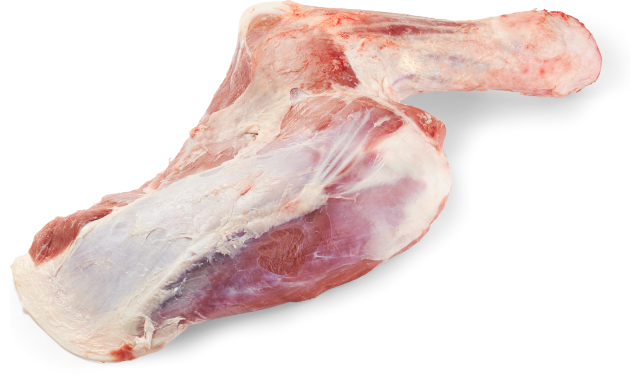
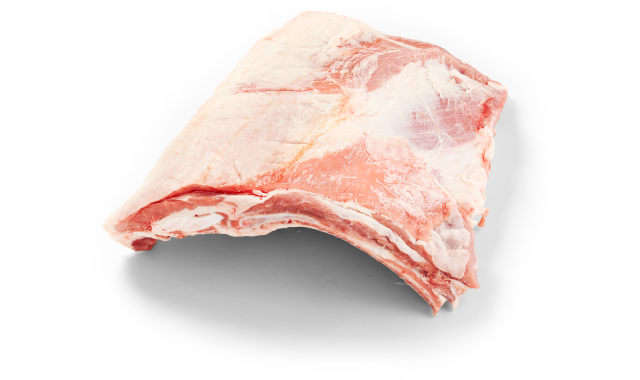
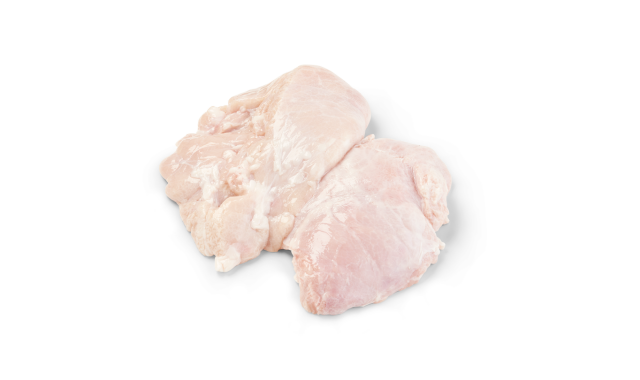
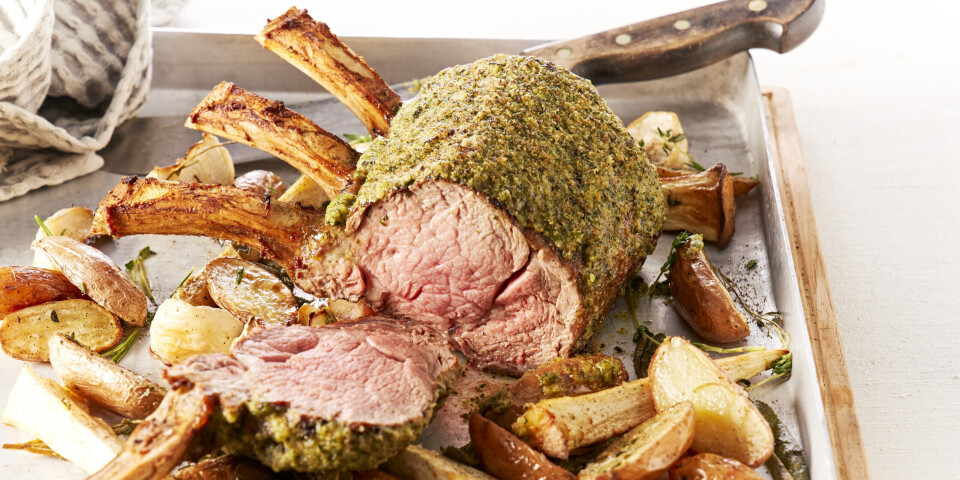
Kies je voor Vitelco, dan kies je voor een groot assortiment kalfsvlees van hoge kwaliteit, afkomstig van onze eigen kalveren. We zijn één van de grootste kalverslachterijen en uitbeenderijen van Europa. We produceren alle kalfsvlees in de snitten of porties die je wilt, met been of zonder been. Daarnaast kun je kiezen uit vers, vacuüm verpakt of bevroren.
Betrokken in de hele keten
In onze slachterij, uitsnijderij en uitbeenderij verwerken we ons kalfsvlees tot eersteklas producten-op-maat. Deze belofte maken we elke dag waar dankzij onze betrokkenheid in de hele keten, onze afspraken met alle schakels en onze voortdurende controle op kwaliteit en processen. Zo houden we het hele traject in de grip en zorgen we, samen met onze ketenpartners, voor een perfect eindresultaat.
Vitelco | Duke's Cuisine | Vitel-oké
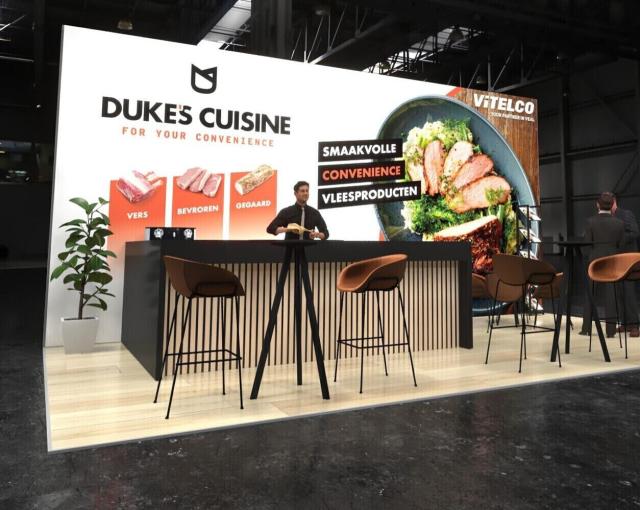
Vitelco brengt kalfsvleesproducten op de markt onder de merknamen Vitelco, Duke’s Cuisine en Vitel-oké. Zo bedienen we elke klant op maat.
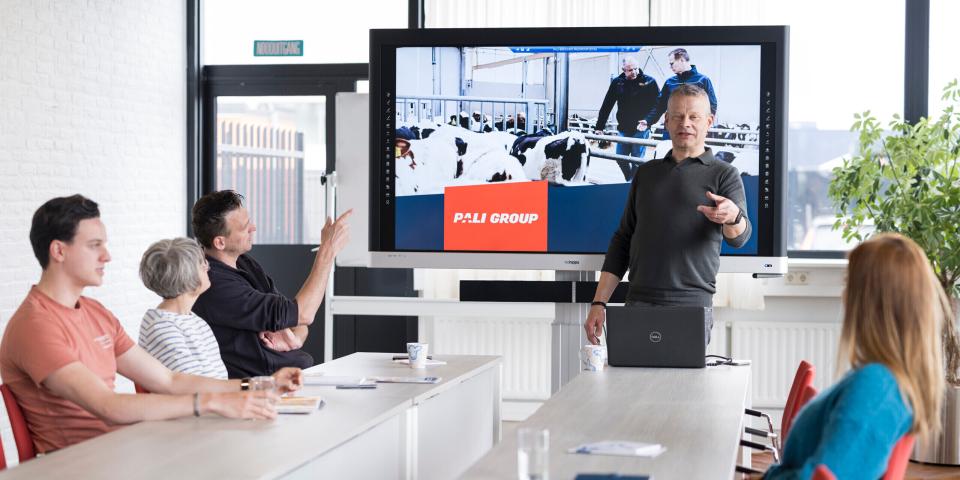
Wil jij werken in een topteam?
Bij Vitelco zijn we altijd op zoek naar nieuwe collega’s, of je nu een ervaren vakspecialist bent of een young professional. We breiden ons topteam graag met jou uit. Kijk snel op onze vacaturepagina.
Vitelco in cijfers
Vitelco zorgt met bevlogen vakmensen voor eersteklas kalfsvleesproducten en voor leverzekerheid. Dat maken we waar dankzij onze ketenregie, onze flexibele organisatie en onze persoonlijke aanpak. Zo garanderen we de kwaliteit waar we als familiebedrijf voor staan.
340+
miljoen € omzet500+
producten40
landen50.000
ton vlees p/jr
Vitelco is onderdeel van PALI Group
Vitelco is onderdeel van de PALI Group-familie, één van de grootste veehandelsbedrijven en vleesproducenten in Europa. Als ketenregisseur houdt PALI Group alles in eigen hand waardoor de kwaliteit en traceerbaarheid van de producten is gegarandeerd. Aan de basis daarvan: toegewijde medewerkers, vertrouwde ketenpartners en gewaardeerde klanten. En een aanpak die bol staat van flexibiliteit, innovatie, daadkracht en respect voor mens, dier en omgeving.
-

Vitelco is één van de grootste kalfsvleesspecialisten van Europa en zorgt in eigen huis voor de verwerking en productie van hoogwaardig kalfsvlees.
Naar website -

PALI Meat is expert in het verwaarden van dierlijke bijproducten. De drie pijlers van PALI Meat zijn: trading, sourcing en petfood.
Lees meer -

Smaakvolvlees.nl is dé consumentenwebshop voor kalfsvlees. Inclusief lekkere recepten en scherpe aanbiedingen.
Naar website -

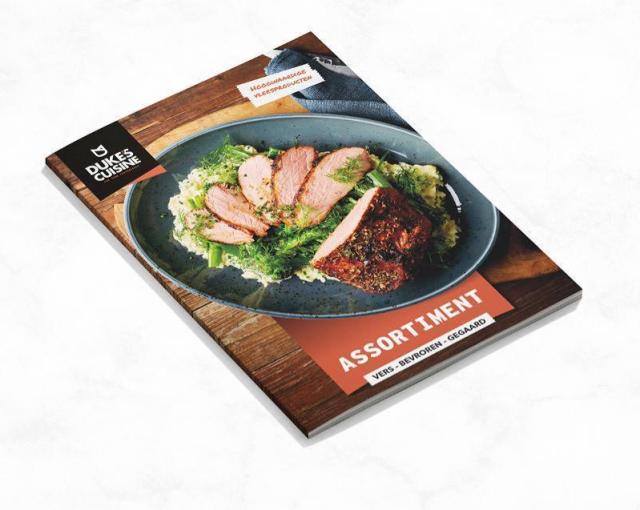
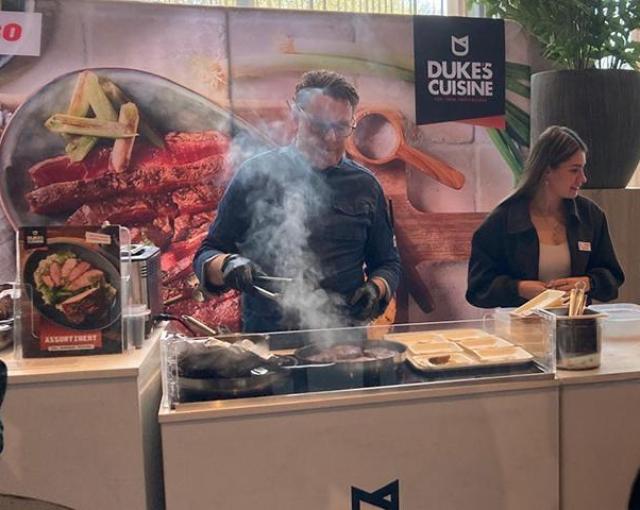
Duke’s Cuisine levert topkwaliteit vers, gegaard en bevroren vlees aan de horeca. Op maat geselecteerd en geportioneerd. En altijd verantwoord.
Naar website -

Vitelco Leather levert hoogwaardige huiden van eigen kalveren voor het maken van de meest prachtige producten.
Naar website -

PALI Group is de persoonlijk partner voor veehouders, handelaren en slachterijen. Voor een perfecte afstemming tussen vraag en aanbod van de dieren.
Lees meer